




Published by KeepMoving Logistics | Auto Transport Insights
If you’ve ever gotten a car shipping quote and then watched the price jump a week later, you’re not imagining things. Auto transport pricing moves with the seasons, just like airline tickets or hotel rooms. And unfortunately, some companies know exactly how to exploit that confusion to squeeze more money out of you.
In this guide, we’re breaking down exactly how seasonal pricing works, why driver availability plays a major role, and the tactics shady brokers use to inflate your quote, so you can ship smarter and never get caught off guard.
How Seasons Actually Drive Car Shipping Prices
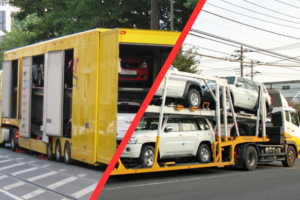
The auto transport industry runs on a simple principle: when demand goes up, and trucks are scarce, prices rise. When trucks are plentiful and demand is low, prices drop.
Here’s how each season plays out:
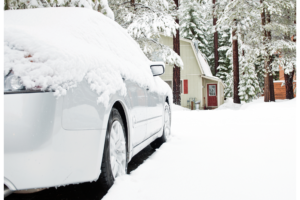
🌨️ Winter (December – February): The Snowbird Surge
Every winter, thousands of retirees from the Northeast and Midwest ship their vehicles south to escape the cold. Think Chicago → Florida, New York → Arizona, Boston → Texas. This “snowbird migration” floods southern routes with demand.
- Price increase: +10–20% on southbound routes
- Popular route example: New York → Miami averages $1,200–$1,400 (open transport)
- Added risk: Winter storms on routes through Tennessee, Georgia, and I-80 in Wyoming can delay pickups and reduce how many loads a driver can complete, which tightens supply even further
Bottom line: Southbound shipping in January and February costs more. Book by mid-November if you can.
🌸 Spring (March – May): The Best Time to Ship
After snowbird season ends, carriers head back north with empty decks and discounted rates. Spring is the sweet spot, with mild weather, lower fuel prices, and more trucks than customers.
- Price change: -5 to -10% compared to peak months
- Popular route example: Los Angeles → Dallas averages around $700–$850
- Transit times are shorter, fewer weather delays, and more available drivers
Bottom line: If your move is flexible, spring is when you’ll get the best rate and the fastest pickup.
☀️ Summer (June – August): Peak Season, Peak Prices
This is the busiest and most expensive time of year. Schools are out, families are relocating, college students are moving, and corporate transfers peak. Carrier spots fill up fast.
- Price increase: +15–30% across major routes
- Popular route example: Los Angeles → Miami can hit $1,450 in July
- Why it’s so expensive: High demand, diesel costs spike during summer driving season, and drivers are pushed to their legal hour limits
This is the season when some brokers make the most money by exploiting customers who don’t understand why their quote suddenly jumped $200 the week before pickup. More on that below.
Bottom line: Book 2–3 weeks in advance if you’re shipping in summer. Last-minute bookings in peak season can cost 20% more.
🍂 Fall (September – November): Balanced and Predictable
After the summer rush, things calm down. Carriers heading back from Florida and Texas offer discounted loads to fill their decks. Prices stabilize and delivery times get more predictable.
- Price change: -5 to -10% vs. summer peaks
- Ideal for: Dealership deliveries, classic car transport before winter storage, student moves back to college
- Popular route example: Los Angeles → Chicago averages $1,050 with reliable 3-day delivery
Bottom line: Fall is the most predictable season. Good pricing, no weather chaos, fast pickups.

The Driver Shortage Nobody Talks About
Seasonal demand is just one piece of the puzzle. The other factor that quietly pushes your price up is the national truck driver shortage.
The American Trucking Association (ATA) reported the industry was short approximately 60,000 drivers in 2023, and while that number has come down from a peak of 81,000 in 2021, the shortage is still very real in 2025 and expected to continue.
Here’s what that means for you as a customer:
- Fewer drivers = fewer available carriers on any given route
- When a route has low carrier availability, companies compete for those spots, driving prices higher
- Drivers working near their legal hours-of-service limits can complete fewer loads per month, which tightens supply even further
- Carriers must offer higher pay to retain drivers, and those costs are passed directly to customers in the form of higher quotes
The driver shortage hits hardest during peak seasons (summer and winter) when demand is already high. That double pressure, high demand AND low driver availability, is what causes the sharpest price spikes.
How Some Companies Use Seasonal Pricing Against You
Here’s the part nobody in the industry wants to talk about. There are brokers out there who don’t just respond to seasonal pricing; they weaponize it.
🚩 The Lowball Trap
A broker offers you a quote that seems too good to be true, say, $800 for a route that typically costs $1,100 in summer. You pay a deposit. A week before your pickup, they call:
“Sorry, the driver canceled. We need an extra $200 to secure another truck.”
What actually happened: the broker knew they couldn’t get a carrier at that price during peak season. They took your deposit, posted your job on the carrier load board at the going rate, got no takers at their low price, and now they’re asking you to make up the difference.
🚩 Re-Posting for Profit
Some brokers take your booking and immediately re-post your shipment on carrier load boards at a marked-up rate, higher than what you paid. When a carrier accepts, the broker pockets the difference. You paid more than necessary; the carrier got the same.
🚩 Hidden Seasonal Surcharges
A fall quote of $1,000 suddenly has a $120 “winter weather surcharge” added in December. It was buried in the fine print you didn’t read. This is legal, but it’s not honest.
🚩 Fake “Expedite” Fees
You need your car faster than the standard window. The broker charges you an “expedited shipping fee”, but assigns you to a standard carrier on a standard schedule. The urgency premium goes straight into their pocket.
How KeepMoving Logistics Does It Differently
At KeepMoving Logistics, we believe in straightforward pricing, no bait-and-switch, no surprise surcharges, no games.
Here’s what you get with us:
- ✅ Transparent quotes, you see exactly what you’re paying and why
- ✅ FMCSA-licensed and bonded, verifiable at USDOT #4001271, MC #1503887
- ✅ Verified carrier network, we work with professional, vetted drivers
- ✅ Real communication, your dedicated advisor keeps you updated from booking to delivery
- ✅ 7-Day Refund Guarantee, we stand behind our service
We’ve shipped over 99,786 vehicles because we treat every customer the way we’d want to be treated, with honesty, professionalism, and zero surprises.
Quick Reference: Seasonal Pricing at a Glance
| Season | Demand | Avg. Price Change | Best For |
|---|---|---|---|
| Winter (Dec–Feb) | High (snowbird routes) | +10–20% | Southbound transport |
| Spring (Mar–May) | Low–Moderate | -5–10% | Budget-friendly shipping |
| Summer (Jun–Aug) | Peak | +15–30% | Book 2–3 weeks early |
| Fall (Sep–Nov) | Moderate | -5% | Reliable pricing & timing |
5 Tips to Get the Best Rate, No Matter the Season
- Book early. 2–3 weeks ahead in summer and winter can save you $100–$250.
- Be flexible on pickup day. Mid-week pickups (Tuesday–Thursday) often cost less than weekend or Monday slots.
- Choose open transport when possible. It’s 30–40% cheaper than enclosed for most standard vehicles.
- Avoid last-minute bookings. Surge pricing on 48-hour requests can add 20% to your quote.
- Ship multiple vehicles together. Multi-car loads are 10–15% cheaper per unit.
Ready to Get a Quote?
Now that you know how pricing works and how to avoid getting taken advantage of, you’re in a much stronger position.
Get a free, no-obligation quote from KeepMoving Logistics today. No hidden fees. No seasonal bait-and-switch. Just honest pricing from a company that’s moved over 25,000 vehicles across the country.
📞 (727) 472-8600
📧 info@keepmovinglogistics.net
🕐 Available 9:00 AM – 9:00 PM EST
KeepMoving Logistics LLC | Licensed & Bonded | USDOT #4001271 | MC #1503887 | St. Petersburg, FL